Mastering the art of a high protein meal prep lunch is an effective strategy for maintaining a balanced diet and supporting a healthy lifestyle. The accompanying video expertly demonstrates a quick, visual guide to assembling a delicious and nutritious salad, providing a perfect template for those seeking convenient, health-conscious options. This approach streamlines daily nutrition, ensuring that wholesome choices are readily available, even on the busiest days.
The Undeniable Advantages of a High-Protein Meal Prep Lunch
Incorporating a high-protein component into your midday meal offers a multitude of physiological benefits. Protein is a crucial macronutrient, vital for muscle repair, growth, and the production of enzymes and hormones. Consequently, an adequate protein intake promotes sustained energy levels throughout the afternoon, mitigating the common post-lunch slump often associated with carb-heavy meals.
Furthermore, protein plays a significant role in satiety, the feeling of fullness. Studies have indicated that higher protein meals can reduce overall calorie intake by increasing feelings of satisfaction, which is particularly beneficial for individuals managing their weight. For instance, a 2014 review published in the *Journal of the American College of Nutrition* highlighted protein’s superior ability to promote satiety compared to fats and carbohydrates, leading to better appetite control.
Deconstructing the Perfect High-Protein Meal Prep Salad
The video above provides a fantastic visual recipe for a balanced, protein-rich salad that is ideal for meal prepping. Each component is thoughtfully chosen to contribute to both flavor and nutritional value, making this an excellent foundation for your weekly lunches.
Foundation: The Flavorful Dressing Base
A well-crafted dressing is essential, serving as the base layer in a jar salad to prevent greens from becoming soggy. The video suggests a simple yet potent blend for each jar:
- 1 tbsp olive oil: A source of monounsaturated fatty acids (MUFAs), known for their heart-healthy benefits. Olive oil also aids in the absorption of fat-soluble vitamins from the vegetables.
- 1-2 tbsp lemon juice: Provides a bright, acidic counterpoint and a good dose of Vitamin C, an important antioxidant. Its acidity also helps tenderize ingredients and prevents browning.
- 1/2 tsp oregano: Aromatic herb with antioxidant properties, known for its distinct Mediterranean flavor.
- 1/2 tsp garlic powder: Adds depth and savory notes, with potential immune-boosting benefits.
- 1/2 tsp dill: Offers a fresh, slightly tangy flavor that complements many vegetables and proteins.
- Salt to taste & 1/2 tsp black pepper: Essential seasonings that enhance all other flavors in the salad.
The Bulk: Nutrient-Dense Vegetables
Layering robust vegetables next ensures they can withstand the dressing without wilting. These ingredients provide essential vitamins, minerals, and fiber, contributing to digestive health and overall well-being. The video includes:
- 1/2 cup cucumber: Exceptionally hydrating and low in calories, cucumbers add a refreshing crunch. They are also a source of Vitamin K.
- 1/4 cup cherry tomatoes: Packed with lycopene, a powerful antioxidant, as well as Vitamins C and K. Their sweetness and juiciness burst with flavor.
- 2 tbsp avocado: A creamy addition that provides healthy monounsaturated fats, fiber, and various vitamins and minerals, including potassium and Vitamin E.
The Stars: Powerhouse Protein Sources
This is where the “high protein” aspect truly shines, providing the necessary macronutrients for energy and muscle maintenance. The chosen proteins are versatile and convenient:
- 3/4 cup cooked chicken: A lean protein source rich in essential amino acids, crucial for muscle repair and growth. Chicken is also a good source of B vitamins and selenium.
- 1 boiled egg: Offers a complete protein profile, containing all nine essential amino acids. Eggs are also an excellent source of choline, important for brain health, and Vitamin D.
The Fresh Finish: Crisp Romaine Lettuce
Finally, the leafy greens are added at the very top, remaining fresh and crisp until you’re ready to enjoy your meal. Romaine lettuce provides a good source of vitamins A and K, as well as folate. The layering strategy ensures that the greens are separated from the dressing until the moment of consumption.
Strategic Assembly: Maximizing Freshness and Flavor for Your Meal Prep Lunch
The “salad in a jar” method, as visually demonstrated, is not merely a trend; it is a highly effective strategy for meal prepping salads that remain fresh for several days. This technique leverages the principle of layering ingredients by their moisture content and robustness. By placing the dressing at the bottom and the delicate greens at the top, you create natural barriers that prevent sogginess.
This method typically allows prepped salads to stay fresh in the refrigerator for up to 3-4 days when stored correctly in airtight glass jars. When ready to eat, simply invert the jar into a bowl, and the dressing will coat all the ingredients evenly. This ensures a perfectly mixed, fresh salad every time, reducing the temptation for less healthy, last-minute lunch options.
Customizing Your High-Protein Meal Prep Lunch for Optimal Nutrition
While the video offers an excellent template, the beauty of a high protein meal prep lunch lies in its versatility. You can easily adapt the recipe to suit your dietary preferences, seasonal availability, or specific nutritional goals. Incorporating variety ensures you receive a broader spectrum of nutrients and keeps your meals exciting.
Consider these substitutions and additions to personalize your meal prep:
- Alternative Protein Sources: Replace chicken with canned tuna, salmon, cooked lean ground turkey, chickpeas, black beans, lentils, or tofu for plant-based options. For example, a 3/4 cup serving of chickpeas provides approximately 10-12 grams of protein and a significant amount of fiber.
- Vegetable Variations: Swap cucumbers and tomatoes for bell peppers (rich in Vitamin C), shredded carrots, broccoli florets, or sugar snap peas. These additions can alter the texture and nutrient profile, offering new flavors and essential micronutrients.
- Complex Carbohydrates: To increase the energy content and fiber, consider adding a layer of cooked quinoa, brown rice, farro, or roasted sweet potato cubes. Approximately 1/2 cup of cooked quinoa adds about 4 grams of protein and 2.5 grams of fiber.
- Healthy Fats & Toppings: Enhance the healthy fat content and add texture with sunflower seeds, pumpkin seeds, walnuts, or a sprinkle of feta cheese. These provide additional nutrients like omega-3 fatty acids and calcium.
Beyond the Jar: Enhancing Your Meal Prep Routine
Effective meal prepping extends beyond the specific recipe. Establishing a routine can significantly streamline the process and amplify the benefits of your high protein meal prep lunch efforts. Dedicate specific time each week, perhaps a Sunday afternoon, for food preparation. This involves batch cooking your chosen protein, chopping vegetables, and preparing dressings.
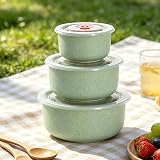
Utilize efficient cooking methods such as roasting a large batch of chicken breasts or boiling several eggs at once. Investing in high-quality, airtight meal prep containers is also crucial for maintaining freshness and preventing leaks. This strategic planning ensures that your journey towards consistent, nutritious eating is both manageable and enjoyable.
Fueling Your Week: High-Protein Meal Prep Lunch Q&A
What is a high-protein meal prep lunch?
A high-protein meal prep lunch is a pre-prepared, nutritious midday meal designed to support a balanced diet and healthy lifestyle. It involves making meals ahead of time for convenience on busy days.
Why is it beneficial to eat a high-protein lunch?
Eating a high-protein lunch offers many benefits, including supporting muscle repair and growth, providing sustained energy, and helping you feel fuller for longer. This can help prevent the common afternoon energy slump.
What is the ‘salad in a jar’ method?
The ‘salad in a jar’ method is a popular technique for meal prepping salads by layering ingredients in an airtight jar. The dressing goes at the bottom, followed by robust vegetables, protein, and finally delicate greens on top, preventing sogginess.
How long do meal prep salads stay fresh?
When prepared using the layering method in airtight glass jars, meal prep salads can typically stay fresh in the refrigerator for up to 3-4 days.
Can I change the ingredients in my high-protein meal prep lunch?
Absolutely! Meal prep lunches are very versatile. You can easily substitute proteins like chicken with tuna or chickpeas, add different vegetables, or include complex carbohydrates like quinoa to match your preferences and dietary needs.