The daily dilemma of what to pack for lunch is a common challenge for many households. As observed in the accompanying video, the effort involved in packing lunch for your husband often centers on finding practical, appealing, and nourishing options that fit into a busy schedule. This routine, while seemingly simple, can become a source of stress when inspiration wanes or time is short. However, with thoughtful planning and strategic meal preparation, this task transforms from a chore into an opportunity to provide balanced, budget-friendly meals that truly support well-being throughout the workday.
The benefits of packing a homemade lunch are numerous. Financially, it is widely recognized that eating out regularly can significantly impact a budget; preparing meals at home can lead to substantial savings, potentially hundreds of dollars each month. From a health perspective, home-packed lunches offer complete control over ingredients, portion sizes, and nutritional content. This allows for the avoidance of excessive sodium, unhealthy fats, and refined sugars often found in convenience foods. Furthermore, the simple act of providing a well-prepared meal can contribute to overall daily energy levels and focus, supporting productivity and general health.
Strategic Meal Planning for Husband’s Lunch
Effective meal planning forms the bedrock of stress-free lunch preparation. It is not merely about choosing recipes; a systematic approach is often employed to ensure variety, nutrition, and ease. This proactive strategy can drastically reduce daily decision fatigue and execution time.
Batch Cooking for Efficiency
One of the most effective methods for simplifying lunch packing is batch cooking. This involves preparing larger quantities of staple ingredients or full meals at one time, typically on a weekend or a designated prep day. Cooked proteins, such as grilled chicken breasts, ground turkey, or baked fish, are often prepared in bulk. Grains like quinoa, brown rice, or farro are also excellent candidates for batch cooking. Roasted vegetables, such as broccoli, bell peppers, or sweet potatoes, can be prepped in advance and easily incorporated into various meals.
Once these components are cooked, they are stored separately in airtight containers. Throughout the week, different combinations are assembled, preventing monotony. For instance, batch-cooked chicken might be used in a salad one day, a wrap the next, and mixed with rice and vegetables on another. This approach significantly reduces the time spent in the kitchen each morning.
Intelligent Ingredient Preparation
Beyond full batch cooking, some individuals find that simply prepping ingredients makes a significant difference. This could involve washing and chopping all vegetables for the week’s salads or stir-fries, pre-portioning snacks like nuts and fruits, or marinating meats ready for quick cooking. Many find that pre-chopped onions, garlic, and peppers, stored in the refrigerator, can shave precious minutes off meal assembly. Even boiling eggs ahead of time can provide a quick protein boost for several lunches.
This method focuses on the most time-consuming steps of cooking, distributing the effort over a longer period. It allows for spontaneous meal decisions while still benefiting from pre-preparation.
Creative and Healthy Lunch Ideas
Keeping lunches interesting and nutritious requires a repertoire of diverse ideas. Monotony can lead to a decline in packed lunch adherence, making variety a key consideration.
- Hearty Salads: These are more than just greens. A base of mixed greens can be topped with various elements: batch-cooked protein (chicken, chickpeas, tofu), a complex carbohydrate (quinoa, couscous), healthy fats (avocado, nuts, seeds), and a colorful array of vegetables. Dressings are often packed separately to prevent sogginess.
- Grain Bowls: A foundation of cooked grains serves as a canvas for virtually any combination. Popular additions include roasted vegetables, a lean protein, a dollop of hummus or Greek yogurt, and a sprinkle of fresh herbs. These bowls are highly customizable and excellent for utilizing leftovers.
- Wholesome Wraps & Sandwiches: Moving beyond basic deli meat, consider upgrading these classics. Whole-grain tortillas or bread can be filled with shredded chicken salad (made with Greek yogurt instead of mayonnaise), roasted vegetable and hummus combinations, or even leftover grilled steak with fresh greens.
- Soup or Chili: During colder months, a thermos of homemade soup or chili is a comforting and nutritious option. These are ideal for batch cooking and often improve in flavor after a day or two in the refrigerator. Lentil soup, chicken noodle soup, or a hearty bean chili are popular choices.
- Leftover Makeovers: One of the easiest ways to pack lunch is to intentionally cook extra dinner. However, simply reheating the same meal can be unappealing. A “makeover” involves transforming leftovers slightly; for example, leftover roasted salmon can be flaked into a salad, or leftover stir-fry can be tucked into a whole wheat pita.
Essential Tools for Packing Lunch
Having the right equipment can streamline the lunch-packing process and ensure food safety. Investing in quality containers and accessories is often considered a worthwhile endeavor.
Quality Food Containers
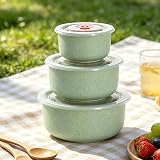
The type of container used significantly impacts both convenience and food preservation. Glass containers with airtight lids are a popular choice due to their durability, ease of cleaning, and ability to be microwaved without concerns about chemicals leaching into food. Stainless steel containers are another excellent option, particularly for items that need to stay cold or for individuals who prefer non-plastic alternatives. For segmented meals, bento-style lunch boxes with multiple compartments are ideal, keeping different food items separate until mealtime.
Insulated Bags and Thermoses
To maintain food temperature, an insulated lunch bag is indispensable. These bags keep cold items chilled and warm items at a safe temperature until consumption. For hot meals, a good quality insulated thermos is crucial. These are designed to keep soups, stews, or pasta dishes warm for several hours, ensuring a satisfying hot meal even without microwave access.
Maintaining Nutritional Balance
A well-balanced lunch supports sustained energy and overall health. Consideration is given to the macronutrient profile and the inclusion of essential vitamins and minerals.
The Macronutrient Mix
Each lunch should ideally contain a balance of macronutrients: carbohydrates, proteins, and fats. Complex carbohydrates, such as whole grains (quinoa, brown rice, whole wheat bread), provide sustained energy. Lean proteins (chicken, fish, legumes, tofu) are vital for muscle repair and satiety. Healthy fats (avocado, nuts, seeds, olive oil) contribute to hormone production and nutrient absorption. A typical lunch might include a serving of each: a protein source, a complex carb, a serving of vegetables, and a healthy fat component.
Vitamins and Fiber
Incorporating a variety of colorful fruits and vegetables ensures an adequate intake of vitamins, minerals, and antioxidants. Fiber, abundant in plant-based foods, aids digestion and contributes to feelings of fullness. Aiming for at least two different colors of fruits or vegetables in each lunch is a simple guideline. For example, a lunch might contain a main dish with leafy greens and bell peppers, accompanied by a side of berries or an apple.
Overcoming Common Lunch Packing Obstacles
Even with the best intentions, several issues can arise when regularly packing lunch for your husband. Addressing these proactively can make the routine much smoother.
Preventing Sogginess and Spills
One of the most frequent complaints about packed lunches is sogginess. This is often prevented by packing wet ingredients separately. Dressings for salads are typically kept in small, sealed containers and added just before eating. Tomatoes and other high-water content vegetables are often packed separately or added at the last minute. Using containers with secure, leak-proof seals is also critical to prevent spills within lunch bags.
Keeping Lunches Interesting
To combat lunch fatigue, variety is truly key. A rotation of 3-5 different core meals can be established, with minor variations added each week. Exploring new recipes, incorporating seasonal produce, and experimenting with different cuisines can keep things fresh. Furthermore, occasionally adding a small, unexpected treat or a new spice blend can elevate the perceived value of a packed lunch, making the effort worthwhile.
Got Lunchbox Questions for Your Guy?
Why should I pack lunch instead of buying it?
Packing lunch helps you save money and gives you complete control over the ingredients, allowing for healthier choices and better nutrition.
What is batch cooking and how can it help with lunch packing?
Batch cooking means preparing larger quantities of ingredients or meals at one time, usually on a prep day. This saves time during the week as you can quickly assemble various lunches from the pre-cooked components.
What are some simple ideas for different types of packed lunches?
You can pack hearty salads, versatile grain bowls, wholesome wraps or sandwiches, homemade soups or chili, or creatively transform dinner leftovers into new lunch meals.
What essential tools do I need for packing lunches?
You’ll need quality food containers, such as glass or stainless steel, and an insulated lunch bag or thermos to keep your food at the right temperature until mealtime.
How can I make sure my packed lunch is healthy and balanced?
Aim to include a mix of complex carbohydrates, lean proteins, and healthy fats in each lunch. Also, add a variety of colorful fruits and vegetables for essential vitamins, minerals, and fiber.